
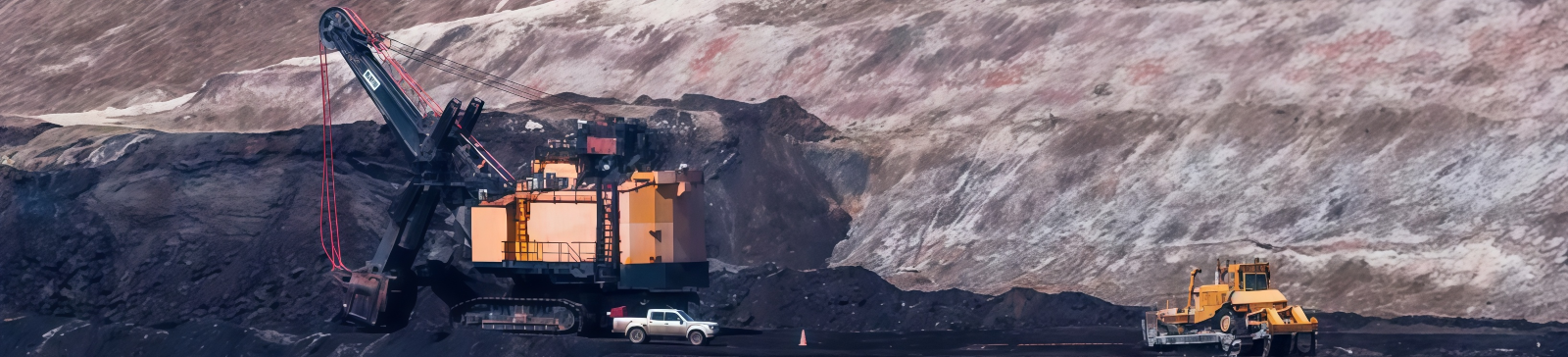
As large mining equipment, electric rope shovels rely on the coordinated operation of multiple systems for stable operation. Wear or failure of any component in any system can affect the overall digging efficiency, operational safety, and downtime costs. Therefore, understanding the main working systems and core components of an electric rope shovel is crucial for purchasers, equipment engineers, and maintenance teams.
Below, we will refer to industry classification standards, focusing on nine major systems, and combining this with the structural characteristics of the electric rope shovel to outline the categories of commonly used components and key selection points.
Electrical System:
This is the starting system, which ensures the normal operation of the engine through electrical equipment such as power switches, batteries, starters, and generators. Auxiliary components include: batteries, electrolyte, replenishing fluid, ammeters, various instrument bulbs, lamp wicks, electronic fire extinguishers, battery cables, etc.
Cooling System:
This system prevents the engine from overheating during operation, protecting the engine. Its components include: water tank, water tank radiator, oil cooler, fan, fan belt, fan bearing housing, and auxiliary accessories such as tensioner pulley and water tank cleaner.
Working Hydraulic System:
This is the oil circuit system, a crucial component of the loader. It consists of two parts: 1. a high-pressure oil pump, and 2. pipes leading to various hydraulic mechanisms. Just like the circulatory system in the human body, the high-pressure oil pump is like the heart, and the oil pipes leading to various working circuits are like blood vessels. The hydraulic oil in the loader is pressurized by the high-pressure oil pump and then flows through various hydraulic pipes to enable the machine to operate normally. The high-pressure oil pump contains many components, such as: plunger, injector, delivery valve, roller body, and repair kit; the hydraulic oil pipes leading to various circuits in the machine include: engine high-pressure oil pipes, distributor valve inlet and outlet pipes, boom cylinder upper and lower chamber pipes, radiator oil pipes, and injector return pipes.
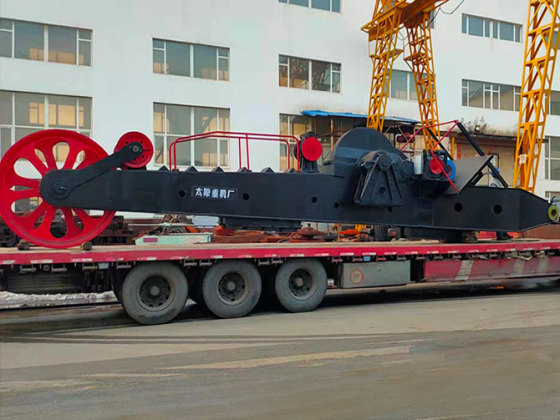
Steering Hydraulic System:
This is the system that enables the bucket to be raised, lowered, and tilted. Like the arms of the human body, it is responsible for the operation of the bucket. Its main components include: boom, rocker arm, boom cylinder, bucket cylinder, and their piston rods, boom cylinder pin sleeves, connecting pins, flanges, pressure plates, gaskets, and matching oil seals, spacers, etc.
Braking System:
This refers to the braking system, whose main components are the clutch and brake body. The clutch consists of friction plates, spring plates, pressure plates, and the power take-off shaft. It is located between the engine and the gearbox, and the loader can only brake through the clutch while it is running. The brake body consists of metal brake pads, brake calipers, etc.
Power System:
This refers to the engine, which is the key part of the loader's operation. The proper functioning of its parts directly determines whether the loader can work normally. Its internal components are relatively complex. Its components are divided into six parts for explanation: 1. Engine block and cylinder liners, 2. Cylinders and valve train, 3. Camshaft and its bearings, 4. Piston connecting rods, 5. Crankshaft and main bearings, 6. Transmission mechanism. The engine block is made of high-density cast iron and has a tunnel-like structure. Cylinder liners are mounted on the block, with the cylinder head atop them. The valve train includes valve guides, valve seats, valves, valve rocker arms, and rocker arm seat components. The camshaft controls the engine's intake and exhaust valves, and its associated thrust bearings and spacers bear the shaft's thrust. The crankshaft, main bearings, pistons, and connecting rods are located at the bottom of the engine block, with related components including pulleys, the front axle, output flanges, piston pins, piston rings, and main bearings. The transmission mechanism mainly includes a transmission belt (V-belt), thrust plate, and shaft gears. This orderly assembly constitutes the engine.
Transmission System:
This mainly refers to the gearbox, used to change the loader's speed during operation to achieve the desired work efficiency. Due to the high workload of our company's loader operations, this component has a relatively high failure rate. Its main components include the transmission pump, transmission valve, steering pump, torque converter mechanism, first, second, and third shafts, first and second gear drive and driven plates, first and second gear cylinders and pistons, transmission oil filter, and a complete set of transmission gaskets, etc.
Hydraulic transmission system:
Closely connected to the power system, the two are interdependent and necessary for the normal operation of the forklift. It is located at the bottom of the forklift. Its main components include: main drive (rear axle), drive shaft, drive shaft cross shaft, wheel housings, brackets, front axle, etc.
Wheel-end system:
This refers to the wheel series. It includes: tires, internal gear rings, wheel-end brackets, wheel-end planetary gears, wheel-end planetary shafts, wheel-end needle rollers, sun gears, and various gaskets, etc.
Why do global customers choose to cooperate with us?
We specialize in exporting electric rope shovel parts, covering:
Electric Rope Shovel Working System Parts.
Travel System Parts.
Hoist System Parts.
Swing System Parts.
Drive System Parts.
Electric Rope Shovel Overhauls (Complete Machine Overhaul & Key Component Refurbishment)
Our Advantages:
Mature supply chain, high parts coverage, capable of replacing common brands and models on the market (P&H, CAT, Komatsu, etc.)
Long-term service to mining customers, knowing which parts are most prone to failure and should be kept in stock.
Extensive export experience, providing a complete solution for packaging, transportation, and rust prevention.
Supports bulk orders, complete machine repair, and OEM replacement parts supply.
Our engineering team can assist customers with model selection, fault diagnosis, and maintenance solutions.
If you are looking for a more stable and reliable electric rope shovel parts supplier, please feel free to contact us.